
Republic of Maldives Post-Tsunami Agricultural and Fisheries Rehabilitation Programme
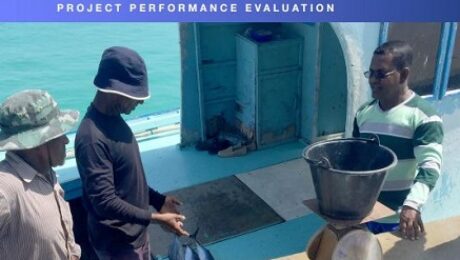
The programme could have been better revitalized with effective programme planning and a clear intervention logic. Although there was a wholesale set of changes in the components of the programme, there was no systematic reconsideration of the programme’s overall objectives. As a result, the programme was most effective at national policy level with regard to sustainable fishing, but it is rather difficult to measure any direct effect at ground level.
- Published in LIVESTOCK / FISHERIES, MALDIVES
Family Farmers’ Cooperatives: Ending Poverty and Hunger in South Asia
Family farming is an integrated farming system, which produces diverse agricultural commodities that significantly contribute to improve food and nutrition security and income of the poor and marginalized group of people in the rural areas. As the reduced level of the economies of scale is a major challenge encountered by family farmers in the South Asia that could be addressed by farmers’ cooperatives approach. Strengthening the farmers’ cooperatives would increase the economies of scale that reduce the cost per unit in production and marketing of the products, and eventually support to improve food security, increase income and reduce poverty. This paper is based on the secondary data and literature review. Ending poverty and hunger targets of the Sustainable Development Goals (SDGs) by 2030 is possible through strengthening the family farmers’ cooperatives in South Asia by adopting some major policy interventions. Such interventions include: i) Effective implementation of the South Asia regional plan of action of UN Decade of Family Farming (UNDFF); ii) Increase the public and private investment in family farming and farmers’ cooperatives; iii) Emphasize the multidimensional approach of program implementation to the poor and marginalized people; iv) Promotion of Future Smart Food System such as nutrition sensitive agriculture and the utilization of neglected and underutilized nutrition rich crops; and v) Effective coordination and cooperation among different agencies at the country level (local, sub-national, and national levels), development partners, South-South counties, and North-South countries to contribute in attaining the targets of Sustainable Development Goals, particularly the No Poverty and Zero Hunger through farmers’ cooperatives in South Asia.
- Published in BANGLADESH, BHUTAN, INDIA, MALDIVES, NEPAL, PAKISTAN, PRODUCER ORGANISATION, SRI LANKA
Country Gender Assessment of Agriculture and the Rural Sector in Maldives
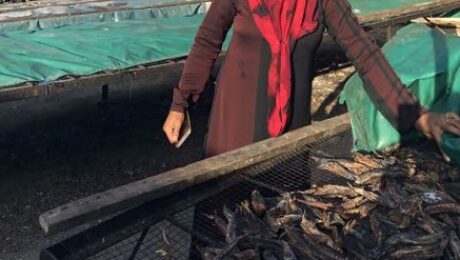
This Maldives Country Gender Assessment of Agriculture and the Rural Sector (CGA-ARS, or CGA) provides evidence of gender inequalities in the agriculture and rural sectors of Maldives, highlighting rural women’s needs, challenges and priorities. It also analyses country-level achievements, and shortfalls in closing existing gaps towards the pursuit of gender equality. The report provides information to the Government of Maldives on the current situation and guidance to decision makers on how rural development and investment initiatives may affect gender roles and relations, positively and/or negatively. It also provides data on facilitating women’s empowerment and their access to resources and opportunities.
Valuing Biodiversity The economic case for biodiversity conservation in the Maldives

The Maldives’ unique environment is the bedrock of our economy. Fisheries and tourism, our two largest industries, are heavily dependent on a healthy and diverse marine ecosystem. Together, these two industries provide three quarters of our jobs, 90% of our GDP and two thirds of our foreign exchange earnings. Moreover, healthy coral reefs help protect our islands from natural disasters and guard against the adverse affects of climate change.
- Published in MALDIVES