FAO Policy on Gender Equality 2020–2030

Gender equality is essential to achieve FAO’s mandate of a world free from hunger, malnutrition, and poverty. The Organization recognizes that persisting inequalities between women and men are a major obstacle to agriculture and rural development and that eliminating these disparities is essential to building sustainable and inclusive food systems and resilient and peaceful societies.
In alignment with the priorities set by the international agenda, the FAO gender equality policy, first endorsed in 2012, provides the Organization with a corporate framework to orient its technical and normative work towards clear gender equality objectives relevant to its mandate. The Policy recognizes that a gender-responsive organizational environment is necessary to achieve progress towards these objectives. It, therefore, includes a set of minimum standards for gender mainstreaming to ensure that gender dimensions are adequately addressed in all organizational functions, from results-based management to staff learning and evidence generation. Recognizing that all staff has a role to play in advancing gender equality and women’s empowerment, the Policy establishes a shared accountability framework that clearly outlines responsibilities for its implementation across the Organization.
Gender transformative approaches for food security, improved nutrition and sustainable agriculture
The Compendium is a product of the Joint Programme on Gender Transformative Approaches for Food Security and Nutrition implemented by FAO, IFAD and WFP and funded by the European Union. The compendium of 15 good practices of gender transformative approaches (GTAs) includes the individual templates of the 15 good practices, provides a synthesis of the main features of the 15 GTAs presenting the core characteristics of 15 GTAs and describing the implementation arrangements, implementation cycle, the potential results of GTAs and their key success factors and challenges. It also includes ideas as to how GTAs could be taken to scale.
- Published in GENDER
Debt and climate: entangled emergencies derailing women’s rights and gender justice
As a new debt crisis is hitting the global South, aggravated by the economic impact of the COVID-19 pandemic, governments and economies will face growing difficulties and challenges to deal with climate emergencies, adaptation, and mitigation. As we have seen in the past, debt crises tend to have a negative impact on women’s rights and gender equality, mainly through the implementation of austerity measures. Additionally, the climate emergency also has specific negative impacts on women’s rights and gender justice. The article explores the cumulative impacts on women of debt and austerity dynamics on one side, and climate crisis on the other. Also it proposes responses to the economic, social, and environmental crisis we are living, that address both debt and climate risks in a comprehensive, systemic, and feminist approach.
- Published in GENDER
IN BRIEF Making agricultural and climate risk insurance gender inclusive: How to improve access to insurance for rural women
IFAD’s technical assistance programme INSURED (Insurance for rural resilience and economic development) has been building knowledge about how to strengthen women producers’ access to climate risk insurance. Working with partners, INSURED supported research, and fieldwork in Ethiopia including group discussions with smallholders about insurance options. A checklist was drawn up for insurance designers and implementers to help them reach out to women every step of the way.
- Published in GENDER
Connected Women The Mobile Gender Gap Report 2020
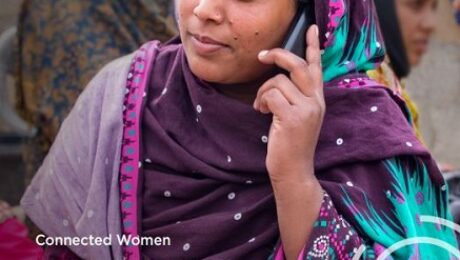
The GSMA Connected Women programme works with mobile operators and their partners to address the barriers to women accessing and using mobile internet and mobile money services. Connected Women aims to reduce the gender gap in mobile internet and mobile money services and unlock significant commercial opportunities for the mobile industry and socio-economic benefits for women.
Addressing Gender Inequalities to Build Resilience
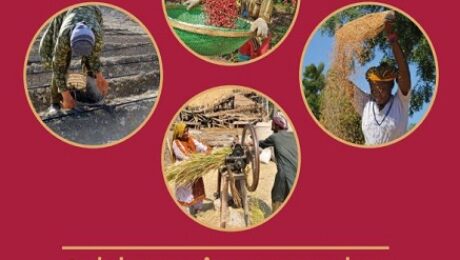
This report documents some good practices and lessons learned from around the world with a specific focus on emergency and humanitarian situations. It highlights a few successful FAO’s interventions on resilience building and gender mainstreaming.
The information in this report can be used as good practices that can help increase resilience of livelihoods in a gender-equitable manner. They can also be used for advocacy, to engage policy makers and practitioners to promote gender equality and women’s empowerment in resilience and humanitarian.
- Published in GENDER
Gender Equality and Social Inclusion
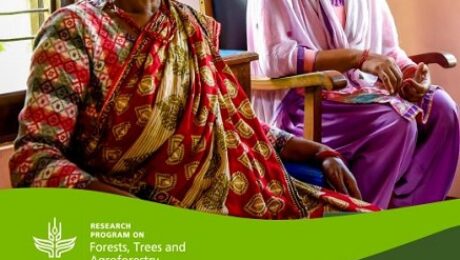
Both women and men depend on forests, agroforestry and trees for their livelihoods, and play a critical role in managing them. However, inequalities persist in roles, rights and responsibilities of women and men, and shape the ways they participate in decision making, benefit from forest and tree resources, and experience changes in forest and tree-based landscapes. Gender biases in the wider policy environment and exclusionary social norms result in a gender gap in access to and control of assets and key resources, including land, labor, credit, information and extension services, with women facing disadvantages in several domains. These inequalities, embedded in formal and informal institutions and structures, hinder the change needed to support the sustainable and equitable development solutions that FTA seeks to deliver.
As FTA’s research agenda has evolved since the program’s inception, so too has the program’s portfolio of gender and social inclusion research. This revised research agenda and action plan draws on a tradition of quality gender work within FTA centers and complements FTA’s original Gender Strategy (2013). It reflects the evolution of the program, including thematic and methodological developments in gender research and praxis, and increases the focus on the nexus of gender and generation (including youth issues), and efforts to make FTA’s research increasingly transformative.
Guidelines on strengthening gender equality in land registration
The present Guidelines form part of a joint effort by the Food and Agriculture Organization of the United Nations (FAO) and the Deutsche Gesellschaft für internationale Zusammenarbeit (GIZ) to help countries achieve indicator 5.a.2 of Target 5.a in the 2030 Agenda for Sustainable Development adopted by the United Nations in 2015. Target 5.a is to “Undertake reforms to give women equal rights to economic resources, as well as access to ownership and control over land and other forms of property, financial services, inheritance, and natural resources in accordance with national laws” and is measured by two indicators:
Indicator 5.a.1: (a) Percentage of people with ownership or secure rights over agricultural land (out of total agricultural population), by sex; and (b) share of women among owners or rights-bearers of agricultural land, by type of tenure.
Indicator 5.a.2: Proportion of countries where the legal framework (including customary law) guarantees women’s equal rights to land ownership and/or control.
- Published in GENDER, GUIDE/TOOLS/MANUALS
TAAT Gender Mainstreaming Guide
Gender considerations are of utmost importance in agricultural technology development, dissemination and use, as these considerations confer good dividend to the overall impact of technology adoption. Hence, the Technologies for African Agricultural Transformation (TAAT) Project consider gender as very important component and demand that gender should be integrated through designing and implementing interventions, amongst others.
To this effect, Capacity Development Outreach Compact (CDTO) delivery infrastructure led by Forum for Agricultural Research in Africa (FARA) has included the African Women in Agricultural Research and Development, AWARD, to facilitate gender mainstreaming in all CDTO activities to support the mainstreaming of gender into the CDTO enabler compact of the TAAT. In partnership with AWARD, the CDTO compact enabler designed this gender mainstreaming guide to systematically incorporate consideration for gender-related dimensions and ensure equitable access to agricultural technologies.
As part of developing the gender mainstreaming guide, AWARD undertook a gender assessment targeting CDTO partners. The gender assessment weighed gender inclusion within organizational technical capacity, political will, organizational culture and accountability; this process included reviewing organizational policies, project documents, structures, operations and budget development.
- Published in GENDER, GUIDE/TOOLS/MANUALS
A practical guide to measuring women’s and girls’ empowerment in impact evaluations
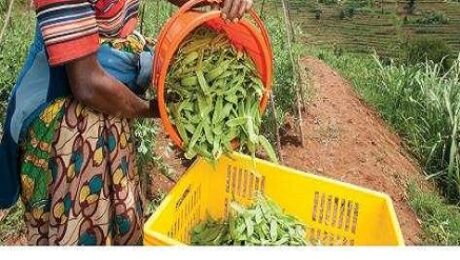
Impact evaluations can produce useful insights on how to design programs and policies that can increase women’s and girls’ empowerment and help us better understand the process of empowerment itself. Yet, it can be challenging to design a measurement strategy and to identify indicators that capture changes in empowerment, that are tailored to the local context, and that minimize reporting bias. Pulling insights from diverse disciplines and the experience of J-PAL affiliated researchers around the world, this guide offers practical tips for overcoming these challenges in impact evaluations. We emphasize the importance of conducting in-depth formative research to understand gender dynamics in the specific context before starting an evaluation, developing locally tailored indicators to complement internationally standardized ones, and reducing the potential for reporting bias in our instruments and data collection plan. We do not provide a single set of ready-to-go survey instruments; instead, we outline a process for developing indicators appropriate to each study along with extensive examples. In this way, we hope this guide can help provide researchers and practitioners the tools to select or develop their own indicators of empowerment that are right for their impact evaluations.
- Published in GENDER, GUIDE/TOOLS/MANUALS