
Bangladesh: Disaster Management Reference Handbook, May (2020)
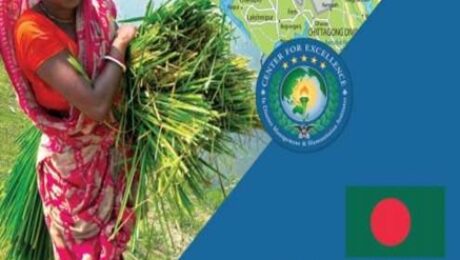
Bangladesh has been affected by more than 200 natural disasters over the last three decades. The country’s geographical location next to the Bay of Bengal, low-lying terrain, monsoons, and significant rivers render the country very vulnerable to natural hazards. From 1970-2019, storms have been the most frequent disaster to affect Bangladesh at 52%, followed by floods at 31%, with the remaining disasters being epidemics, earthquakes, droughts, and landslides.7 In addition, Bangladesh is one of the countries in the world most at risk from the negative impacts of climate change including increases in incidence and intensity of extreme weather events and hazards such as soil salinization, rising sea levels and riverbank erosion.8 Bangladesh has many sources of vulnerability including earthquakes and flooding. Traffic in Dhaka is among the most congested in the world.
An earthquake heavily affecting the capital is among the more challenging disaster scenarios.9 In addition, the flood damage potential is increasing due to climate change, urbanization, growth of settlements in flood-prone areas and over reliance on flood control works such as levees and reservoirs.10 Growing urbanization is driven partly by migration and has contributed to straining the use of limited land, environment, and fragile infrastructure. Migration toward urban areas is in turn driven partially by climate change exacerbating flooding of formerly inhabited land around river delta areas. These emerging risks present major challenges to the continued human development, poverty reduction and economic growth of the country, and to the lives, livelihoods, and health of its people.
- Published in BANGLADESH, CLIMATE CHANGE
Agrometeorological Advisory Services India
CSE releases new report on agromet advisory systems – focusing on weather data collection and forecasting, agricultural expertise and analysis of crop data, leading to generation of practical advice for farmers.
The agricultural sector is the foundation of the Indian economy. It employs more than 50 per cent of India’s workforce and contributes almost 17–18 per cent of its GDP.1 At present, agricultural livelihoods are being severely impacted world over as a result of anthropogenic global warming and climate change. India’s labour-intensive and subsistence-based agriculture sector is particularly vulnerable to this development.
Climate change has both direct and indirect effects on agricultural productivity, including changing rainfall patterns, severe drought, flooding and changes in the geographical redistribution of pests and diseases.2 These impacts are highly unevenly distributed across the globe, with regions like South Asia (including India) and sub-Saharan Africa experiencing significantly more adverse effects than North America, Europe (particularly Eastern Europe) and South America.
- Published in CLIMATE CHANGE, INDIA
Research on Impacts of Climate Change on Bangladesh Agriculture: A KGF Initiative
This effort by KGF to publish a booklet on Climate Change Impact Assessment on Bangladesh Agriculture : A KGF Initiative narrating the outcomes of collaborative research by BARI, BRRI and BSMRAU scientists, sponsored and facilitated by KGF, is a welcome development towards dissemination of scientific information on a pressing national and global issue.
- Published in BANGLADESH, CLIMATE CHANGE
Adapt Now: A Global Call for Leadership on Climate Resilience
This report focuses on making the case for climate adaptation, providing specific insights and recommendations in key sectors: food security, the natural environment, water, cities and urban areas, infrastructure, disaster risk management, and finance. It is designed to inspire action among decision-makers, including heads of state and government officials, mayors, business executives, investors, and community leaders.
- Published in CLIMATE CHANGE
A compendium of Technologies, Practices, Services and Policies for Scaling Climate Smart Agriculture in Odisha (India)
Stakeholders engaged in agricultural research for development (AR4D) are increasingly tackling risks associated with climate change in smallholder systems. Accordingly, development and scaling of climate-smart agriculture (CSA) are one of the priorities for all the organizations, departments and ministries associated with the farm sector. Having a ‘one-stop-shop’ compiled in the format of a compendium for CSA technologies, practices and services would therefore serve a guide for all the stakeholders for scaling CSA in smallholder systems.
- Published in CLIMATE CHANGE
IN BRIEF Making agricultural and climate risk insurance gender inclusive: How to improve access to insurance for rural women
IFAD’s technical assistance programme INSURED (Insurance for rural resilience and economic development) has been building knowledge about how to strengthen women producers’ access to climate risk insurance. Working with partners, INSURED supported research, and fieldwork in Ethiopia including group discussions with smallholders about insurance options. A checklist was drawn up for insurance designers and implementers to help them reach out to women every step of the way.
- Published in CLIMATE CHANGE
Compendium of Climate-Resilient Agriculture Technologies and Approaches in the Philippines
This Compendium of Climate-Resilient Agriculture Technologies and Approaches in the Philippines has been produced in response to the need to provide science-based and actionable knowledge on climate-resilient agricultural technologies and practices in different agroecological systems in the Philippines. The compendium aims to better guide policymakers, farmer organizations, researchers, extension workers, and the agribusiness sector, as well as climate-smart agriculture practitioners. It does not only present a menu of solutions but more importantly, it proposes that a business-as-usual attitude is no longer an option if we want to protect the future of our food supply and the well-being of the farmers and communities that produce it.
- Published in CLIMATE CHANGE
YOUTH IN MOTION FOR CLIMATE ACTION: A compilation of youth initiatives in agriculture to address the impacts of climate change
A compilation of youth initiatives in agriculture to address the impacts of climate change
This publication is a compilation of ten successful youth-focused or youth-led initiatives in agriculture that address the impacts of climate change. The highlighted initiatives can serve as a promotional tool for youth networks, practitioners and programme managers who are interested in supporting youth in the agriculture sectors under a changing climate. The case studies are organized under five themes: E-agriculture, innovation and technology; youth employment; capacity development; entrepreneurship; and Alliances and Networks.
- Published in CLIMATE CHANGE